- Big Business This Week
- Posts
- "Stocks will crash," says one expert; "Stocks will rise," says another 🤷
"Stocks will crash," says one expert; "Stocks will rise," says another 🤷
Plus: The race is on to kill Paramount Skydance’s $110 billion purchase of fabled Hollywood studio Warner Bros. Discovery

Cheddar's Big Business This Week
April 02, 2026
Sponsored by

(Getty Images)
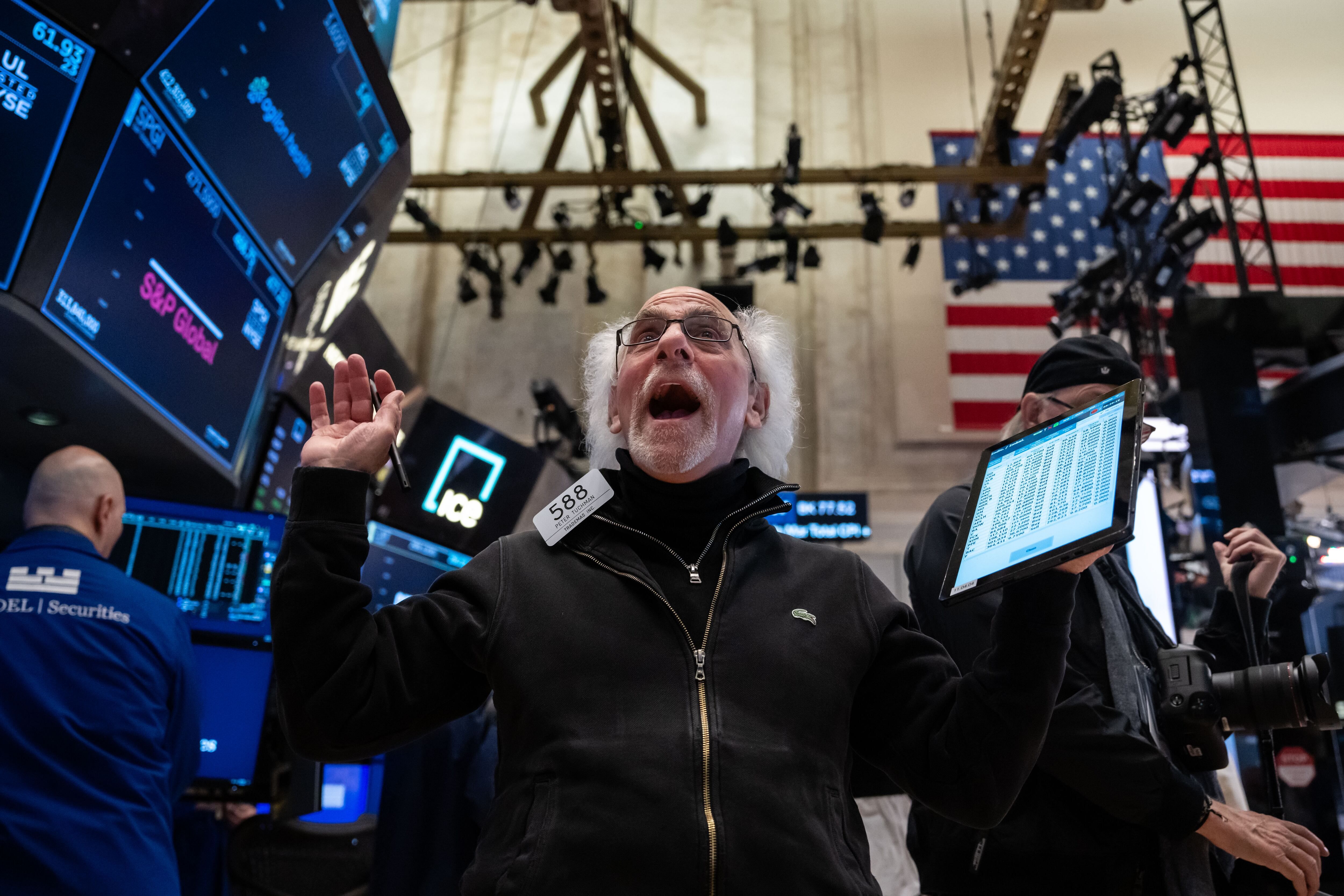
The war in Iran continues to wreak havoc on market stability. Every week since the war began, the markets rise on a Monday, buoyed by hopes the bombing will end soon, but by Friday they come crashing down again. With headlines the main impetus, investors and traders appear to be selling to lock in profits and avoid getting caught by a weekend’s worth of bad news. Since the war began the S&P is down about 5%, the Dow is down 6%, and the Nasdaq is down about 1.3% The latest iteration came with President Trump’s Wednesday night speech that investors and others hoped would signal an end to the U.S. bombing campaign on Iran and a reciprocal end to Iran’s threats to ships transiting the Strait of Hormuz, where 20% of the world’s oil, and most of the LNG that supplies Europe and Asia pass.
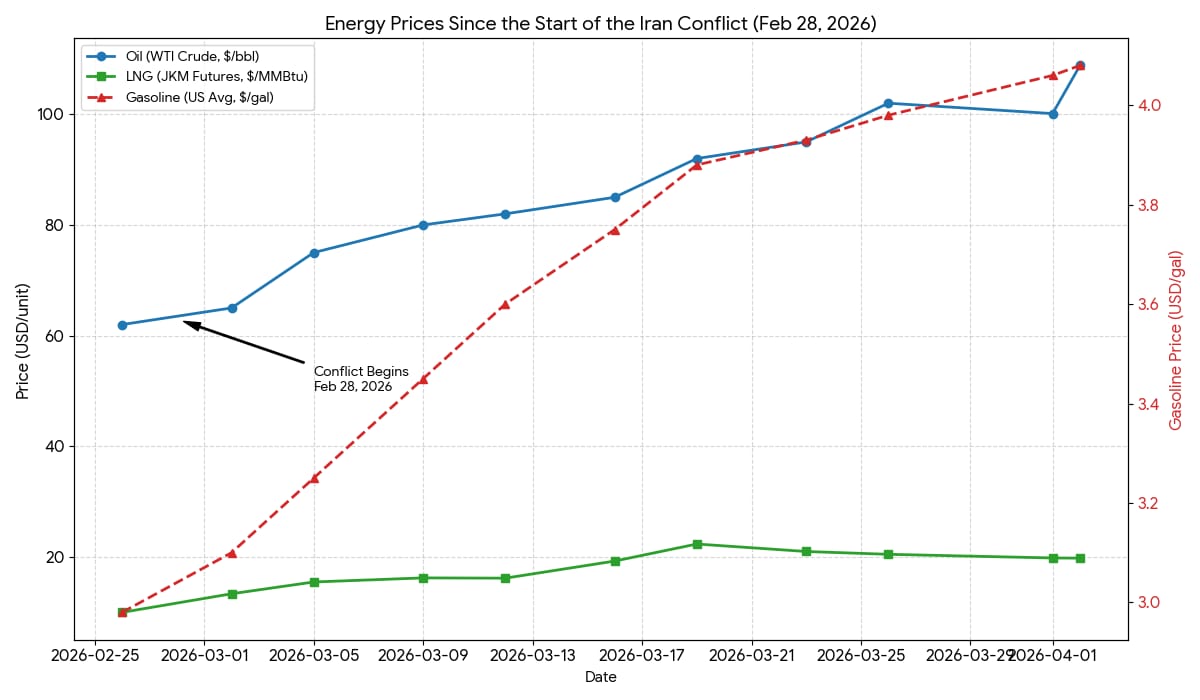
Instead, Trump doubled down on his threats against Iran, and produced no clear plan for reopening the Strait. That’s given Iran leverage. It’s now letting ships owned by its allies go through without paying tolls. Since March 1, 71% of ships that have passed through the strait are owned by Iran, coming or going from Iranian ports, or part of the sanctions-busting shadow fleet carrying Iranian oil, Lloyd’s List Intelligence said this week. That’s fewer than a dozen ships a week right now, compared with 700 - 900 a week before the war. That leaves oil prices above $100 a barrel, up about 46% in the past month, gasoline up 30% to over $4 a gallon and likely to stay there, and in Europe, LNG prices are up 35%.
(Google Nano Banana Pro)
Then there’s the coming food crunch. A third of the world’s fertilizer, made with natural gas, comes from the Gulf, and it's stuck behind the strait. Rising gas prices in Europe have stopped production there. Already, U.S. farmers are planting less corn, and looking to Washington for help, after Trump’s tariffs slashed soybean exports, and won farmers $12 billion in aid. And rising diesel prices mean U.S. food distributors are adding a fuel surcharge to deliveries, driving up consumer costs.
So what’s an investor to do? Big Business This Week caught up with a naysayer and a yaysayer about the stock market, to see if we could make head or tail of the situation.
Michael Klein, a professor of international economics at Tufts University, and editor of the Econofact website, says the global economy may be at a “tipping point.” The canary in the coal mine? The CAPE ratio, (Cyclically Adjusted Price-to-Earnings), which divides a stock index's current price by the average of its inflation-adjusted earnings over the past 10 years, smoothing earnings volatility to identify if a market is over- or undervalued. Right now, he noted that the ratio is at 37.9, and the last time it was that high was just before the technology crash of 2000.
“I moved a lot of my money out of stocks at the end of the last year, looking at that CAPE ratio,” Klein said in an interview. While it may look safe now, he says, tariffs, the wars in Iran and Ukraine, and labor force issues caused by the U.S.immigration crackdown have created a level of uncertainty that has likely created a new cycle of business conditions that we can’t yet understand. Citing the famous dictum of MIT economist Rudy Dornbusch, Klein noted that “crises take longer to occur than you think.”
But Michael Grant, co-CIO at Calamos Investments, with $48 billion under management, says that if the U.S. markets were really overvalued, the so-called rotation trade, moving away from high price-to-earnings ratios among the MAG7 to lower-valued stocks and foreign equity markets, would be thriving. That’s not the case, he says. “Since the inception of Epic Fury, the comparative defensive qualities of U.S. benchmark indices have been unmistakable,” he wrote in an email to BBTW,noting that the dollar has “reasserted its reserve status,” after the Euro peaked at $1.205 on January 27. Now, he said money that moved to Europe is coming back, as the war showed how vulnerable Europe’s economy is to global shocks.
Instead, he added in an interview, business fundamentals in the U.S. are still strong, and business’s reaction to Trump’s uncertainties have actually helped build the U.S. economy. “Certain types of uncertainty are actually supporting the economy,” he said, as tariffs forced managements to say we have no choice but to build and produce close to where we sell. “That's reflationary support. Same with geopolitics: one thing we have certainty about is that these types of geopolitical frictions will persist, so we have to invest in the military.”
One exception: Tech firms like the MAG7, have changed from cash-flow cows whose share buybacks justified their sky-high valuations, to capital intensive manufacturing companies, building out massive investments in AI, with data centers, energy plants, and chip production.
So how long will markets stay investible with all the uncertainty?
“A lot of the uncertainties can get juggled as long as they stay in the air, but if we get hit with a recession while oil prices are up, we’ve got big problems,” Grant said. “Right now, the markets are saying that the odds of Hormuz opening soon are better than the odds of a U.S. recession. If that ever changes we have trouble.”
—Peter S. Green
Big Businesses mentioned this week:
$PSKY ( ▼ 9.58% ) $WBD ( 0.0% ) $UL ( ▼ 1.89% ) $MKC ( ▼ 4.87% ) $MICC ( ▲ 0.07% ) $OWL ( ▼ 1.54% ) $BX ( ▲ 0.13% ) $APO ( ▼ 1.48% ) $ARES ( ▲ 0.34% ) $BLK ( ▲ 0.57% ) $CMCSA ( ▼ 0.28% ) $VSNT ( ▼ 1.55% ) $NFLX ( ▼ 2.49% ) $GOOG ( ▼ 1.71% ) $AMZN ( ▼ 0.37% ) $HSY ( ▲ 1.07% ) $SYY ( ▼ 0.24% ) $BF.B ( ▼ 0.88% ) $BIRD ( ▲ 33.72% )
This week, big business!
The usual suspects
Misewable wabbit! The race is on to kill Paramount Skydance’s $PSKY ( ▼ 9.58% ) $110 billion purchase of fabled Hollywood studio Warner Bros. Discovery $WBD ( 0.0% ) , along with broadcast and streaming assets that include HBO Max and CNN. Who will get there first, anti-trust regulators or the market? Despite the full throated endorsement of President Trump’s FCC chair, Brendan Carr, who called the acquisition “a good deal,” that “should get through pretty quickly,” Trump said the Dept of Justice would make the final call, and now the DoJ has subpoenaed Paramount and WBD. Trump fired Attorney General Pam Bondi shortly before press time, too, which means the works could be gummed up even further. Promising that there will “absolutely not” be politically motivated fast-track approval of the deal, federal trust-busters want to know how the deal could affect studio output, movie theaters, content rights, and competition among streaming services, CNBC reported. Anti-trust attorneys have also asked independent film producers to weigh in, and the Teamsters Union has urged the feds to block the deal unless it can find an enforceable way to protect jobs. That’s after Paramount owner David Ellison said he sees as much as $6 billion in “synergies” from the deal, industry shorthand for layoffs. But the market may get there first. Paramount shares have lost 30% of their value since the deal was announced a month ago. “Paramount is massively overpaying,” former hedge fund manager and New York City mayoral candidate Whitney Tilson wrote in a note this week, noting that Paramount (market cap $10.28 billion) will take on at least $79 billion in debt to buy WBD (Market cap $68 billion). Neither company has the cash flow to service that debt and invest in new programming, said Tilson. “There’s no way the company can support such a high debt load,” he added. “I expect it to be financially crippled the day the deal closes and eventually file for bankruptcy, wiping out shareholders.”

Unilever gets spicy with McCormick deal: London-based consumer products giant Unilever $UL ( ▼ 1.89% ) says it will combine its food business with U.S. spicemaker McCormick $MKC ( ▼ 4.87% ) in a deal that would create a $65 billion food behemoth, with about $20 billion a year in revenue. Unilever and its shareholders would own about 65% of the combined company, and McCormick will pay Unilever $17.5 billion in cash. The companies say they’re creating a “global flavor powerhouse” bringing Hellman’s mayo under the same roof as French’s yellow mustard, but it sounds like a bad menu choice. Unilever wants to shed its food businesses to focus on the more profitable beauty, personal care and home products lines. The deal would give the combined group more weight with retailers and distributors. It’s not clear, though, where McCormick will get the cash. Its share price is down 12% since the deal was announced, and it’s now got a market cap of just under $13 billion. Its shares have lost nearly half their value in the past five years. Unilever is down about 7% since the announcement leaving it with a market cap of nearly $120 billion. Its shares have fallen 11% in five years, including a precipitous 25% drop since mid-February. Last year, Unilever spun off its Magnum ice cream brand $MICC ( ▲ 0.07% ) into its own company. Its shares are down nearly 10% since the split. The big reason for the declines: Consumers are spending less on food overall, and even less on premium brands. “What we really can’t get our heads round is why Unilever is disposing of a business dominated by two brands, of which it owned 100%, for a minimal control premium and leaving its shareholders with a 55% shareholding in a sprawling food business,” wrote analysts at RBC.
That private credit crisis? It ain’t getting any better. Blue Owl Capital $OWL ( ▼ 1.54% ) (not the Hogwarts exam), said Thursday it’s had to limit withdrawals from two key private credit funds as nervous investors seek to cash out amid fears that Blue Owl’s borrowers won’t be able to pay back their high-risk, high-interest loans. Investors in its tech-lending fund were asking for 40% of the $3 billion fund’s value, and its $20-billion direct lending fund had investors asking to redeem almost 22% of its value. Blue Owl manages $300 billion in private credit, but its share price has fallen by half this year. Private credit, which often leaves lenders with no recourse if loan goes sour, has attracted a host of wealthy individual investors, who have less ability to ride out market swings than banks and investment funds. Cracks int he private credit market have raised fears of a syetmic shock but for now, private credit fund operators, including Blackstone $BX ( ▲ 0.13% ) , Apollo Global Management $APO ( ▼ 1.48% ) , Ares Management $ARES ( ▲ 0.34% ) , and BlackRock $BLK ( ▲ 0.57% ) , have all limited redemptions from their private credit funds amid growing nervousness.
Merge, demerge, remerge. Hard to keep track of media these days, but when they work, those big media companies spin off reams of cash. And when they don’t, they often use those reams of cash (or what’s left in the bag) to buy something else and see if that sticks. Back in 2015, NBCUniversal paid $200 million for a piece of hip new-media empire Vox, hoping to build bridges to younger viewers. Now that NBCU’s parent, Comcast $CMCSA ( ▼ 0.28% ) has spun off CNBC and MSNBC (now called MS Now) into a new firm, named for no apparent reason after the little-known French perfume, Versant $VSNT ( ▼ 1.55% ) . The new company is looking at buying Vox’s podcast unit. This time round the game is to grab the growth of Vox’s successful podcasts including Pivot with Kara Swisher, and Dare to Lead with Brene Brown, the work coach guru. Versant has lost about 20% of its value since its spinoff late last year.
Netflix wants another touchdown (and so do its investors): After news that it was raising prices actually boosted its stock price late last week, Netflix $NFLX ( ▼ 2.49% ) is now reportedly bidding to add more NFL game exclusives to its lineup. Right now, the streamer pays $75 million a game for Christmas-only games, but it wants the rights to one NFL international game and the league’s new Thanksgiving eve game. It’s all part of a realignment that has seen traditional networks, including latecomer Fox, lose their big exclusives on sports programming, as cable channels and more recently, streaming services, bid for attention-getting (and audience building) NFL games. Google-owned $GOOG ( ▼ 1.71% ) YouTube carried an international game last season,and Amazon $AMZN ( ▼ 0.37% ) carries Thursday Night Football on Prime.
Hershey’s Chef’s Kiss: Chocolate original Hershey’s $HSY ( ▲ 1.07% ) says it’s working to make up for its customers’ better eating habits with what the industry calls “better-for-you” snacks, and will combine its sweet, salty and protein brands into a single unit. With cocoa prices rising, and fewer dollars in consumers’ pockets, Hershey is looking to new markets. In recent years it has acquired a raft of salty snack products, including SkinnyPop popcorn, Pirate’s Booty cheese puffs, Dot’s Homestyle Pretzels and organic snacks brand LesserEvil. The firm also announced on Wednesday it would revert to its original recipe for Reese’s after trying out cheaper alternatives, which caused a backlash including from the original Mr. Reese’s grandson, who wrote a public letter to the CEO on Valentine’s Day.
Food stuffed: My pizza guy is angry. This week he learned that Sysco $SYY ( ▼ 0.24% ) , the $81 billion a year food distribution giant is buying Restaurant Depot, the $21 billion a year family-owned cash-and-carry supplier for smaller food businesses across the U.S. The deal, said Eddie Vokshi, who owns the Antica Pizzeria in Manhattan’s Washington Heights, will just stifle competition and raise prices for small mom-and-pop eateries like Eddies. “Sysco is just gonna kill us,” Vokshi said. Sysco is paying $29.1 million for family-owned Restaurant Depot, and will continue to operate its 166 warehouse stores in 35 states under the Restaurant Depot brand. Less money in consumers’ pockets means demand for cheap eats like pizza is growing, but rising rents, growing food costs and galloping energy prices are cutting into Vokshi’s margins. Shares in Sysco are down 20% since the beginning of March.
(Getty Images)
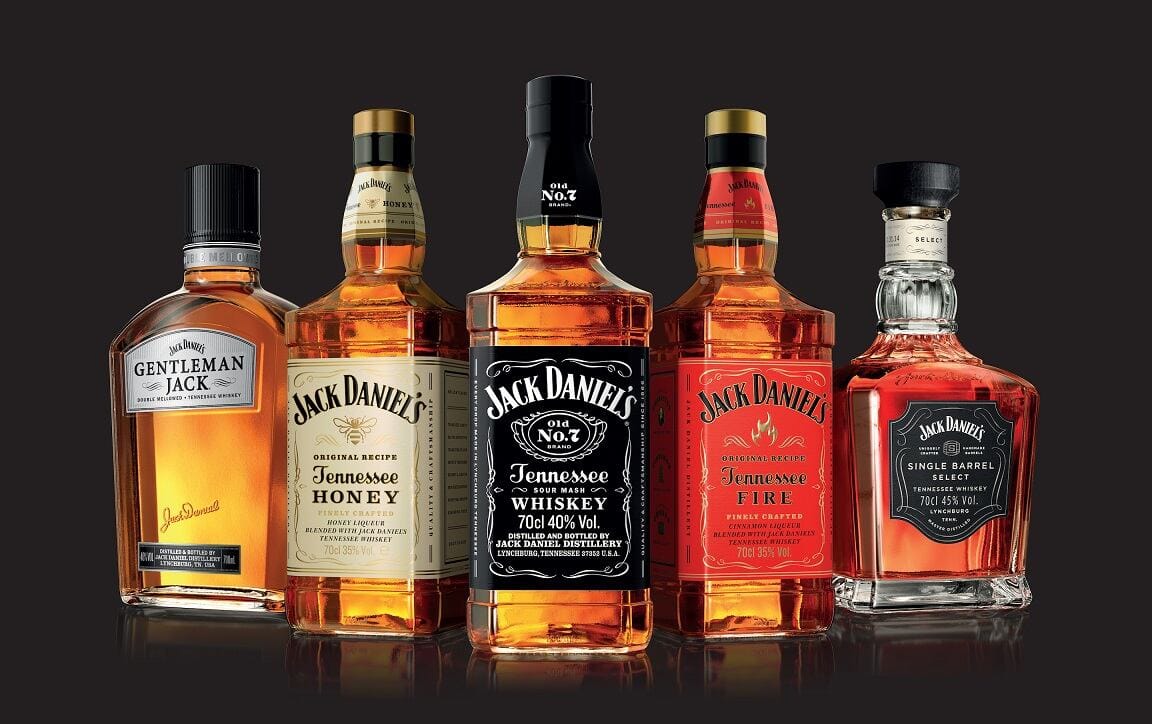
I’ll drink to that: Jack Daniels parent Brown-Forman $BF.B ( ▼ 0.88% ) is considering a merger with French liquor giant Pernod-Ricard as the two firms battle a difficult market for premium liquor brands. For family-controlled Brown Forman, these are particularly bad times to be in the bourbon business: Americans are drinking less hard liquor and the tariffs have incited hefty counter taxes on exports to key markets including Canada and Europe. Then there’s the hangover from bourbon’s pandemic-era popularity, which led to a spurt of new boutique bourbon brands whose years of aging mean liquor produced at the beginning of the decade is just getting bottled and sold now. Brown-Forman has a market cap of about $12 billion, while family-controlled Pernod’s is closer to $18 billion. Both firms need to shake things up. Pernod’s share price is down 68% in the past five years, and Brown-Forman is down 62%. But Brown-Forman’s shares are up 13.6% in five days on news of a potential merger, while Pernod is up about 0.25%. Jeffries analyst Edward Mundy wrote in a note to clients that he sees “significant merit” in a merger of the two firms.
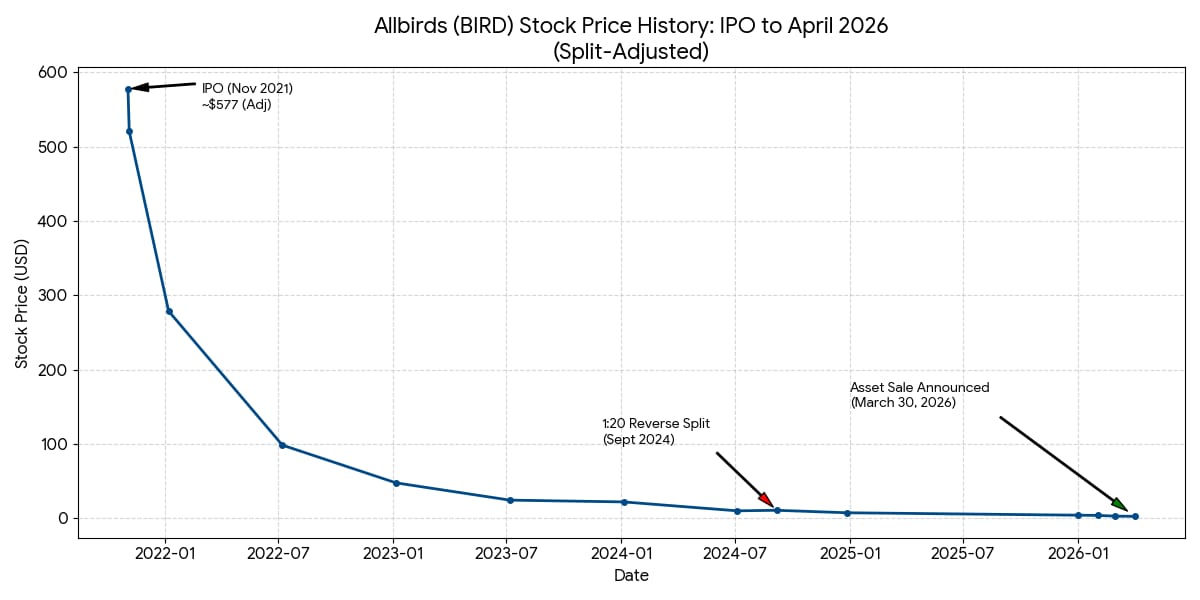
Allbirds, all gone: High-flying sneaker brand Allbirds $BIRD ( ▲ 33.72% ) , famed for its Merino wool uppers and a fave with Silicon Valley types, has crashed back to earth with less grace than Icarus in a heatwave. After hitting a $4 billion valuation in 2021, it’s selling its assets for $39 million to brand management firm American Exchange Group. “Allbirds has gone from being a highflier to a dead parrot,” GlobalData consultant Neil Saunders told the New York Times, with a touching nod to the Monty Python sketch about “ex-parrots.” Despite 60 retail locations at the end of 2023, the shoes failed to catch on outside the tech world. And now, the tech uniform is sneakers from Hoka and On.
(Google Nano Banana Pro)
ADVERTISEMENT
How Jennifer Aniston’s LolaVie brand grew sales 40% with CTV ads

The DTC beauty category is crowded. To break through, Jennifer Aniston’s brand LolaVie, worked with Roku Ads Manager to easily set up, test, and optimize CTV ad creatives. The campaign helped drive a big lift in sales and customer growth, helping LolaVie break through in the crowded beauty category.
END OF ADVERTISEMENT
The tech stack
The Kremlin’s privacy hack: Russia’s got a new all-in-one platform that’s like facebook on steroids: Social media, e-commerce, dating, ride hailing: It’s all in single app called Ma, and it’s being touted locally as safer than the country’s favorite encrypted apps, Telegram and WhatsApp. The problem: Max is being pushed by the Russian state, and one potential effect of using the new app: They’re not encoded, and the Kremlin will know what you’re doing. The app itself, say tech observers, is one in a series of Russian knock-offs of Western apps including YouTube and WhatsApp, which Russian apparatchiks fear open their countrymen to Western influences.
(Getty Images)
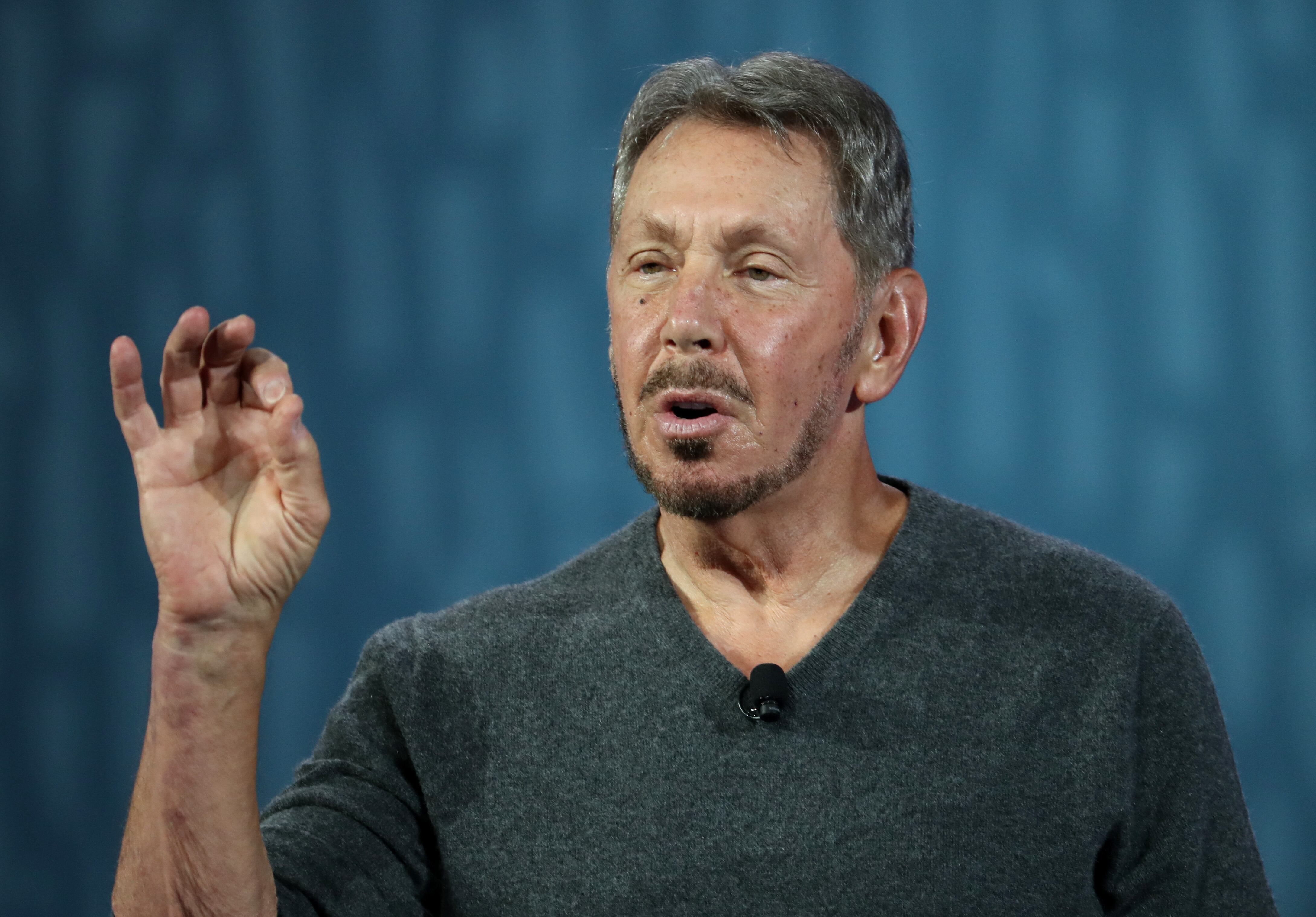
The 404: Oracle’s $ORCL ( ▲ 0.56% ) bid to become a big player in the AI datacenter business is putting renewed pressure on its profits, and this week, the company laid off thousands of people. While there’s no official word yet, the Wall Street Journal reports former Oracle employees posting about layoffs on their social media and LinkedIn accounts. Industry watchers had predicted up to 30,000 layoffs as Oracle pumped resources into AI data centers. The layoffs boosted the share price by 6% on Tuesday, but shares are down more than 50% since a mid-October peak that briefly made Oracle founder and CEO Larry Ellison (picturedf) the world’s wealthiest person.
No laughing matter: The Iran war has crimped global supplies of helium, a byproduct of natural gas processing. But it's not party balloons that will suffer most, it’s microchip production (helium cools chipmaking machines and cleans away toxic residues) and MRI machines (where it’s used to cool superconducting magnets). Given that microchips are commonly used in almost everything, these days, it’s an awkward situation for everyone.
Want more Cheddar?
You’re clearly into smart people talking about even smarter things. Lucky for you, that's literally our whole deal at Cheddar. We interview the brightest minds in business, finance, and tech. If you'd like more in-depth analysis from interesting people, lcheck out our where to watch page and turn us on 24/7! Your wallet will thank you and so, more importantly, will your mind. But also your wallet. Remember that.
Peter S. Green is a veteran reporter and editor who has spent more than two decades covering business and finance from Eastern Europe to New York City, and has worked for Bloomberg News, The New York Post, The New York Times and The Messenger. He lives in New York City and is always looking for the next big story. Email him here.